
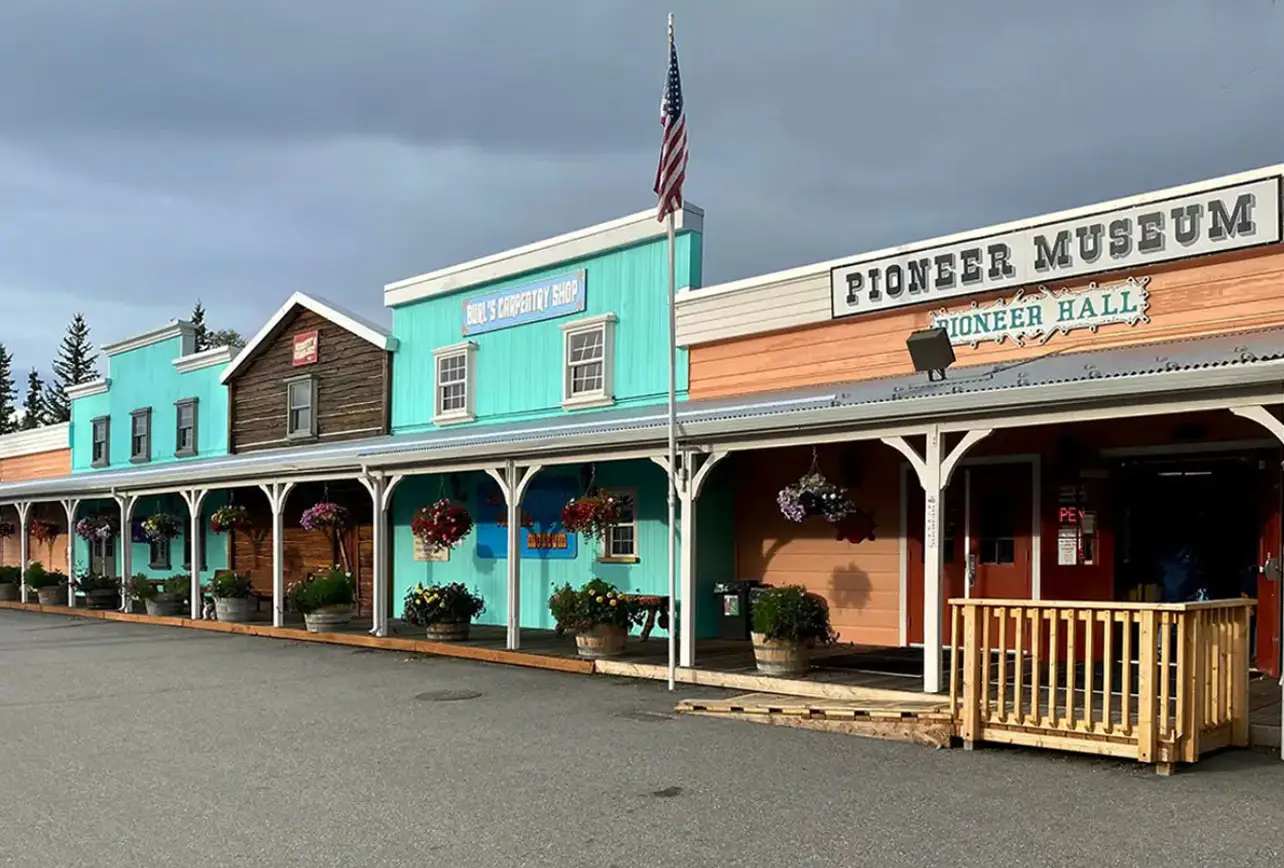
Let’s begin by acknowledging that the above photo came from Road Scholar’s website, not from my camera. As you will see, the weather was a bit rainy during half of my trip. Now that’s out of the way, I will tell you about my adventure.
Getting to Fairbanks
Lesson One: When setting an alarm for a 3:30 wake-up call, it would be a good idea to check that it is set as AM rather than PM.
Lesson Two: check ahead of time to know when the front entry is unlocked.
No problem. Everything worked out just fine and I got off on my trip with plenty of time to spare.
Seattle Waiting Room
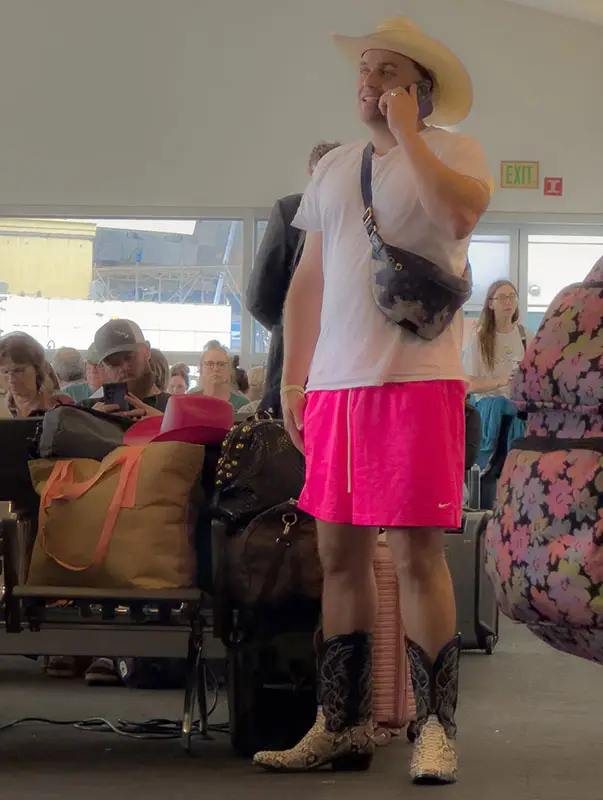
While waiting for my next flight at the Seattle airport, I saw this guy waiting at the next gate for his flight. Pink shorts don’t usually go well with cowboy hat and boots. Oh yes, that flight was headed to Austin, Texas.
'Golden Heart City'
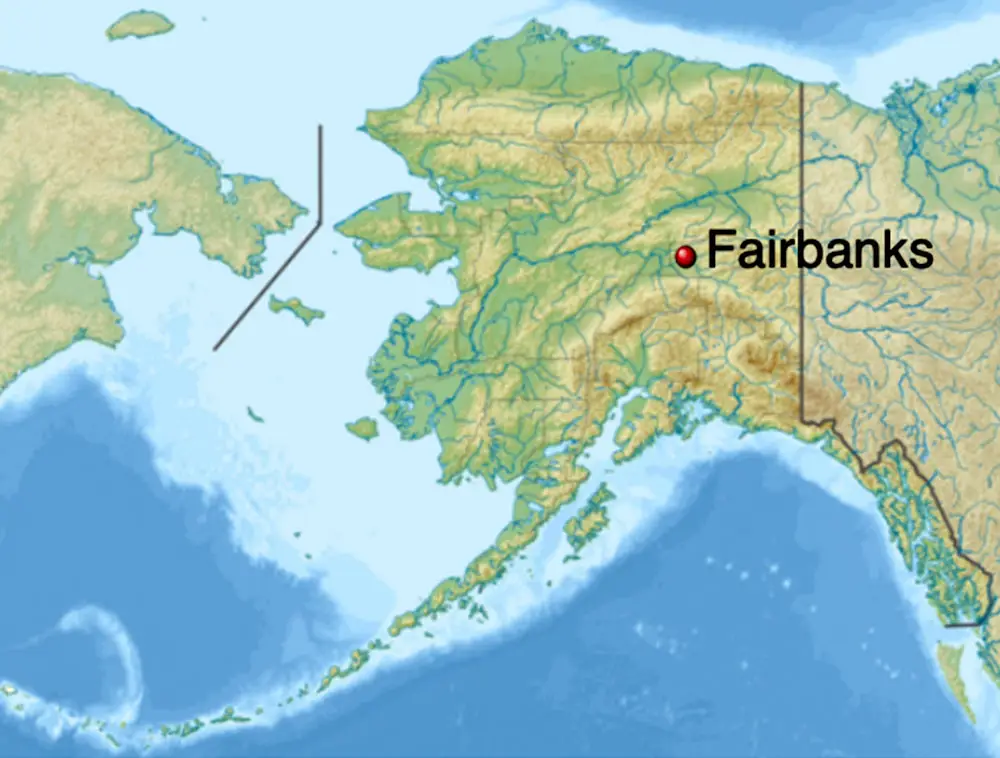
Fairbanks is in the heart of Alaska’s interior region. The “Golden Heart City” name can be traced back to the late 19th and early 20th centuries, during the era of the gold rush.
My visit to Fairbanks was during the Midnight Sun Season (April 22- August 20). Upon arrival, we had 18:48 hours of sunlight and lost 6:55 min of sunlight each day that we were there.
Fairbanks experiences extreme temperatures and holds several temperature records for both high and low temperatures in the state.
Unknown First Family
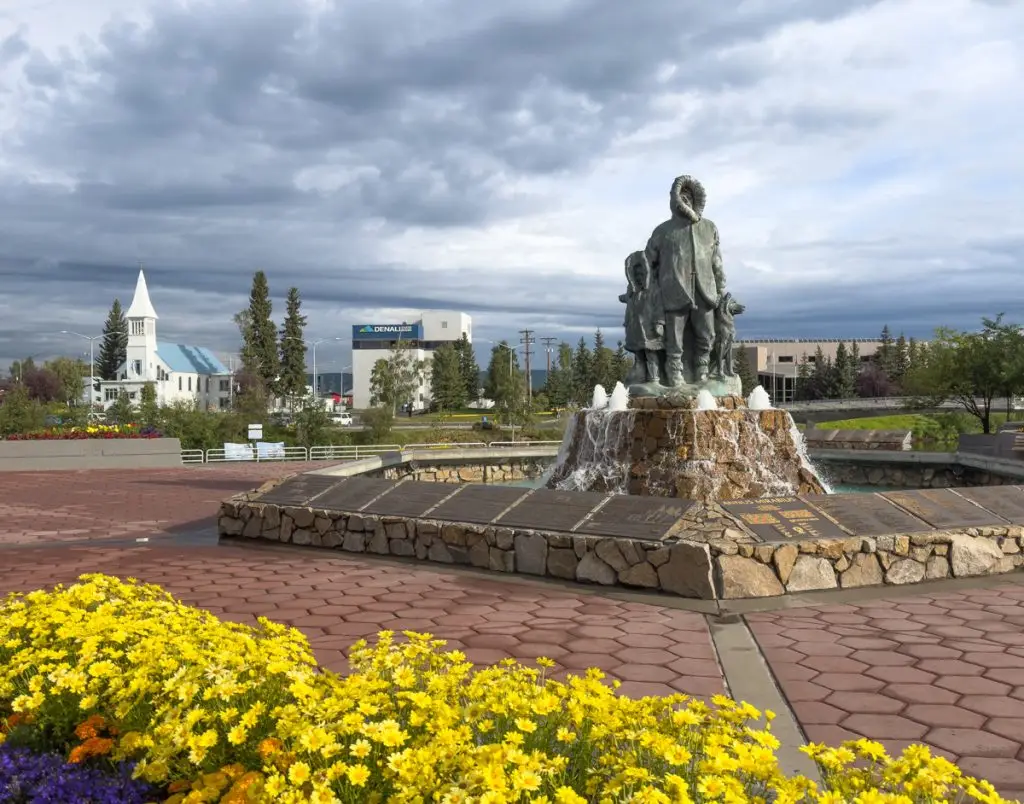
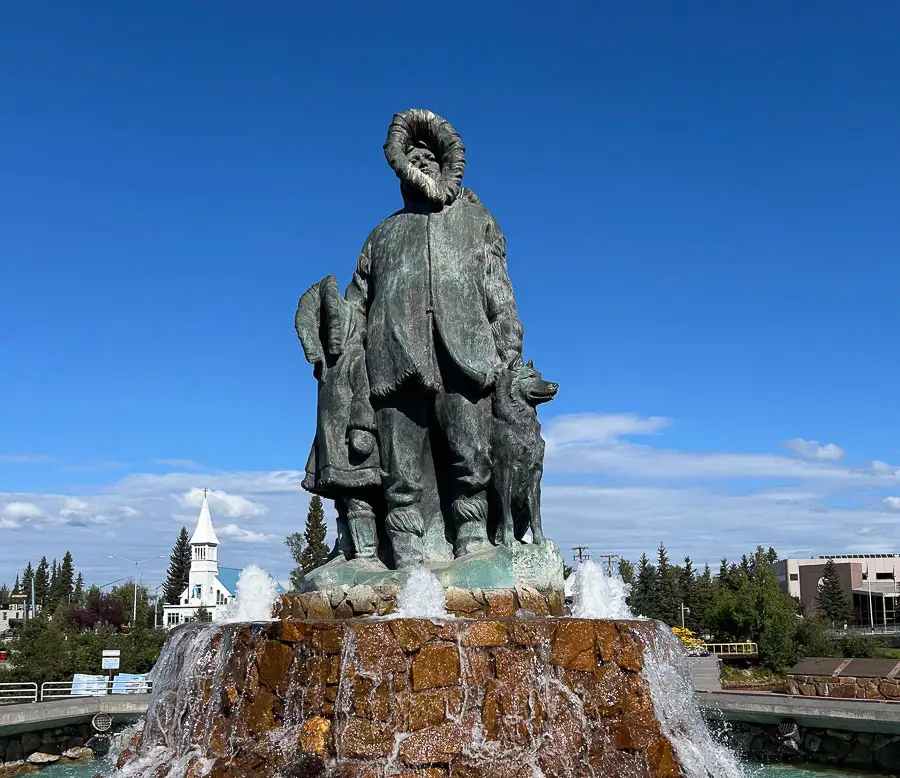
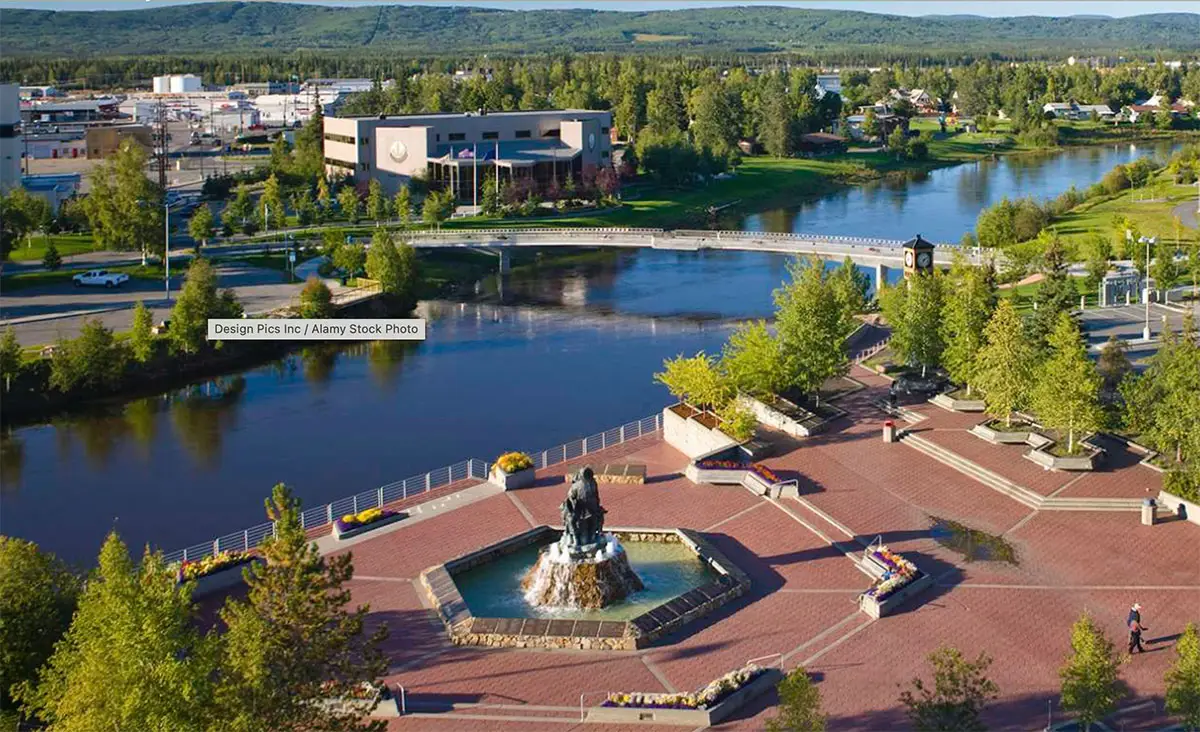
The Golden Hearts Plaza in the center of Fairbanks, surrounds the “Unknown First Family” statue. The artist, Malcom Alexander, said his statue is “Portraying the family of all mankind, the family of Fairbanks, and the nuclear family, let this statue symbolize, for families present and future, the pride and dignity of this great land.”
Lend-Lease Monument
This memorial honors the Lend-Lease program, which was part of a worldwide scheme that saw the United States end its neutrality before officially entering the war alongside its allies.
Statue of American and Russian pilots of the mid-20th century celebrates the strategic and social importance of Alaska as the staging ground for the America-Siberia Airway element.
Plaques alongside the large statues and the propeller commemorate the Women Airline Service Pilots (WASP) who also took part in the effort.

LARS - Large Animal Research Station
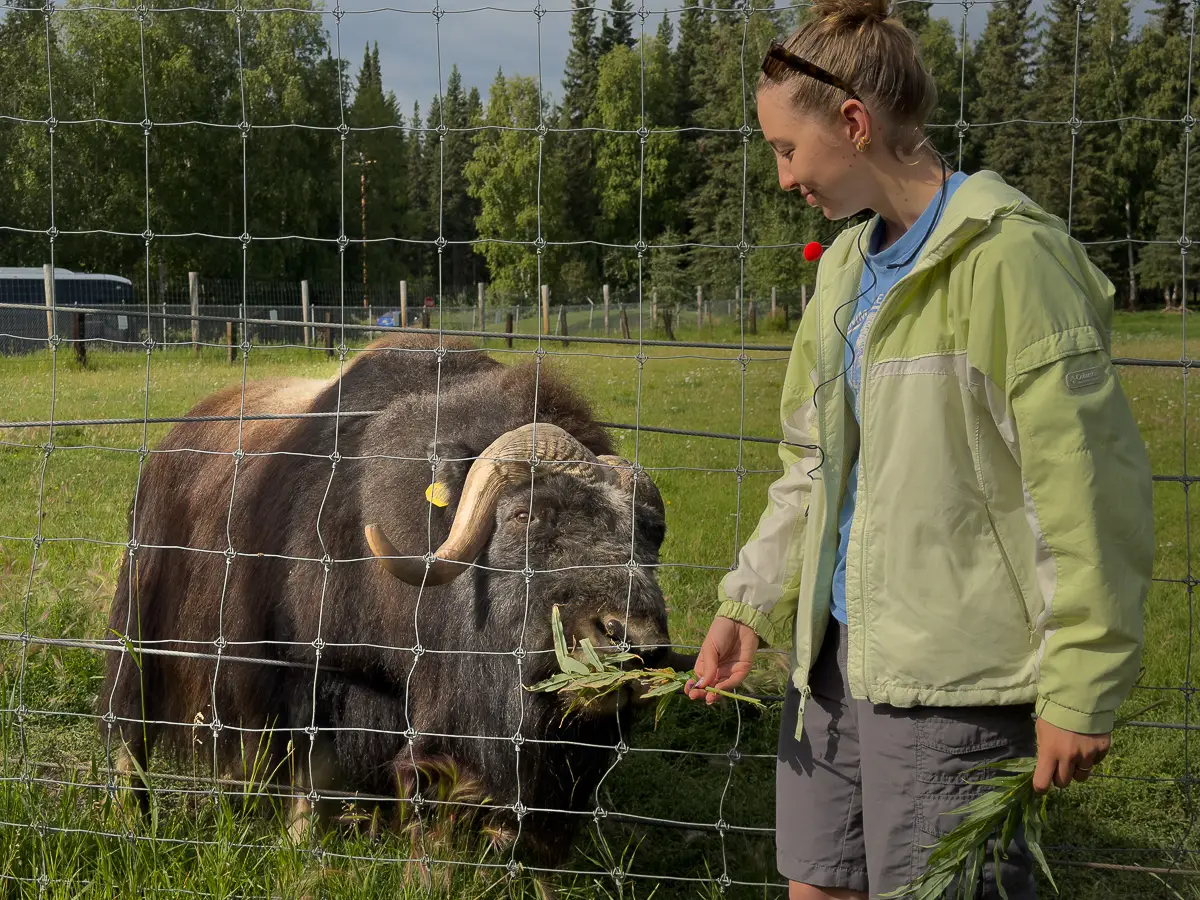
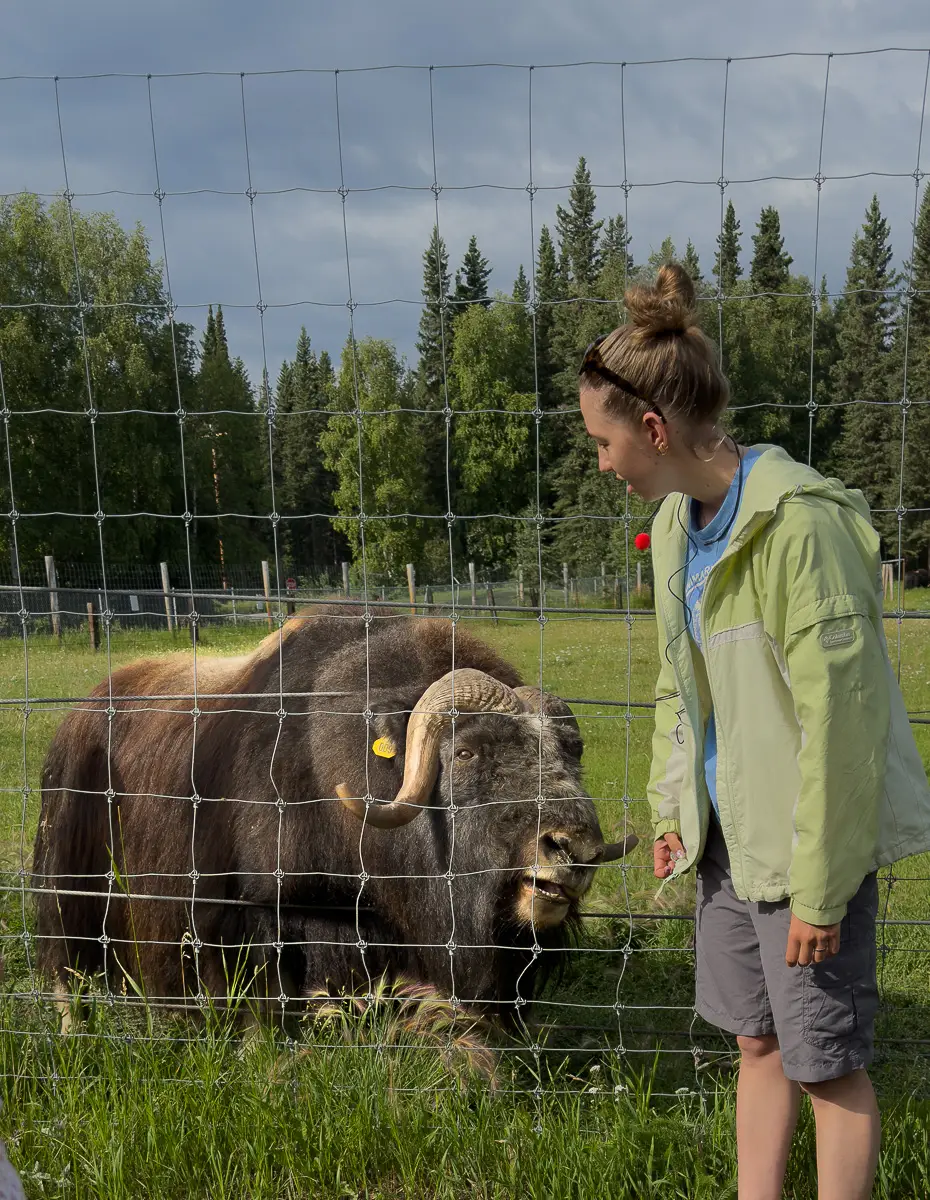
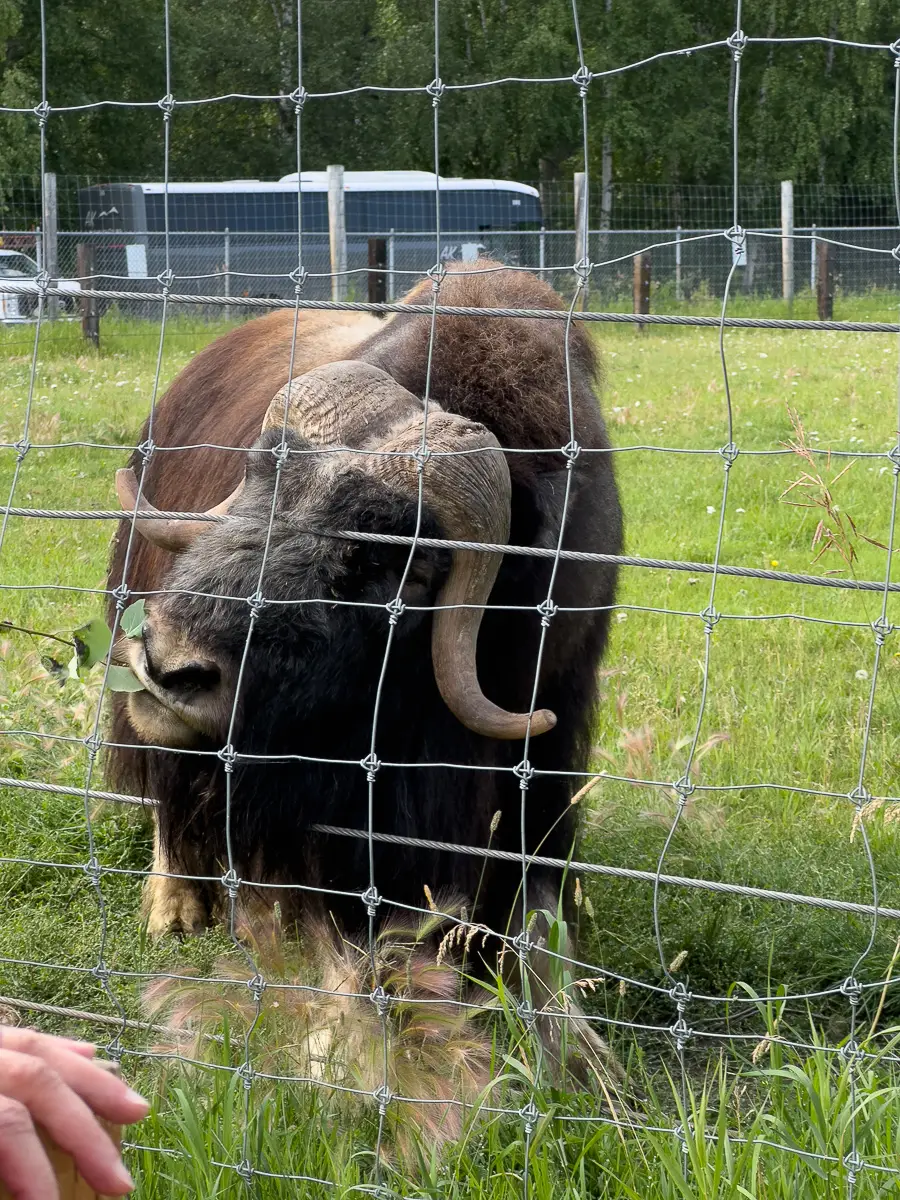
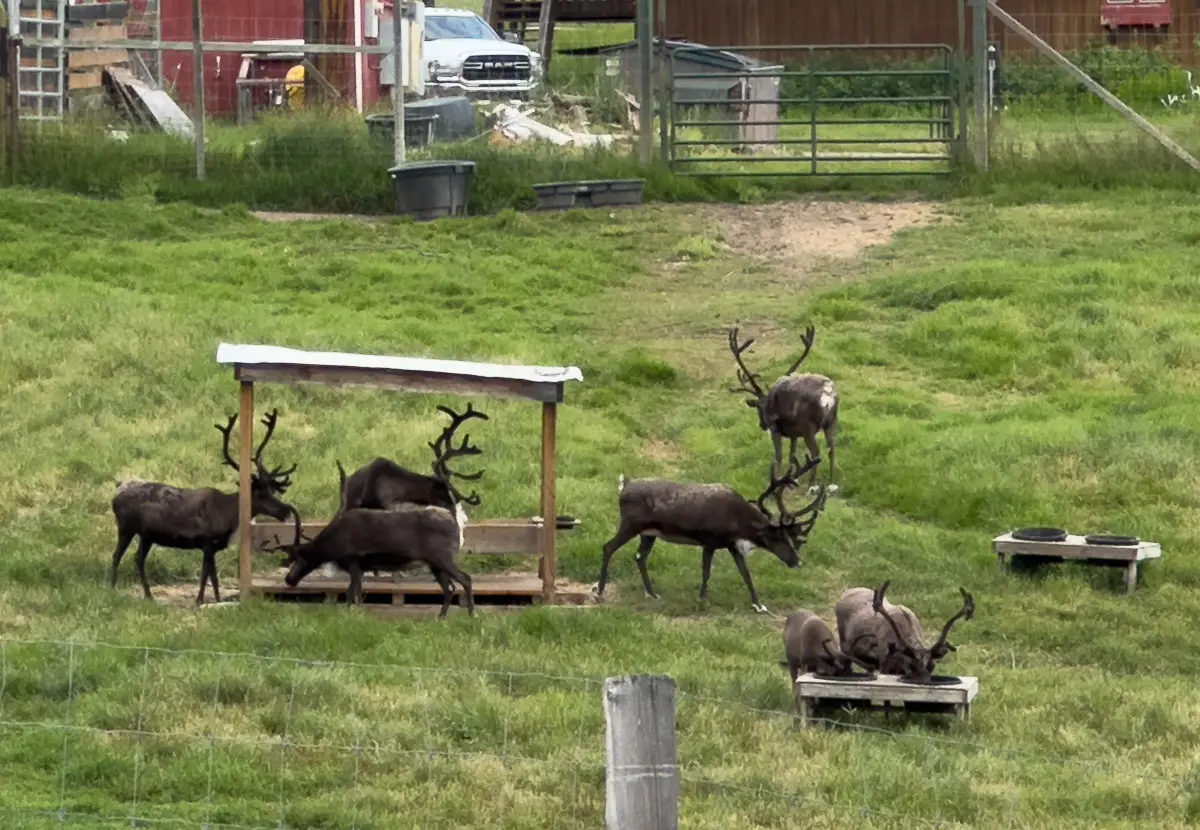
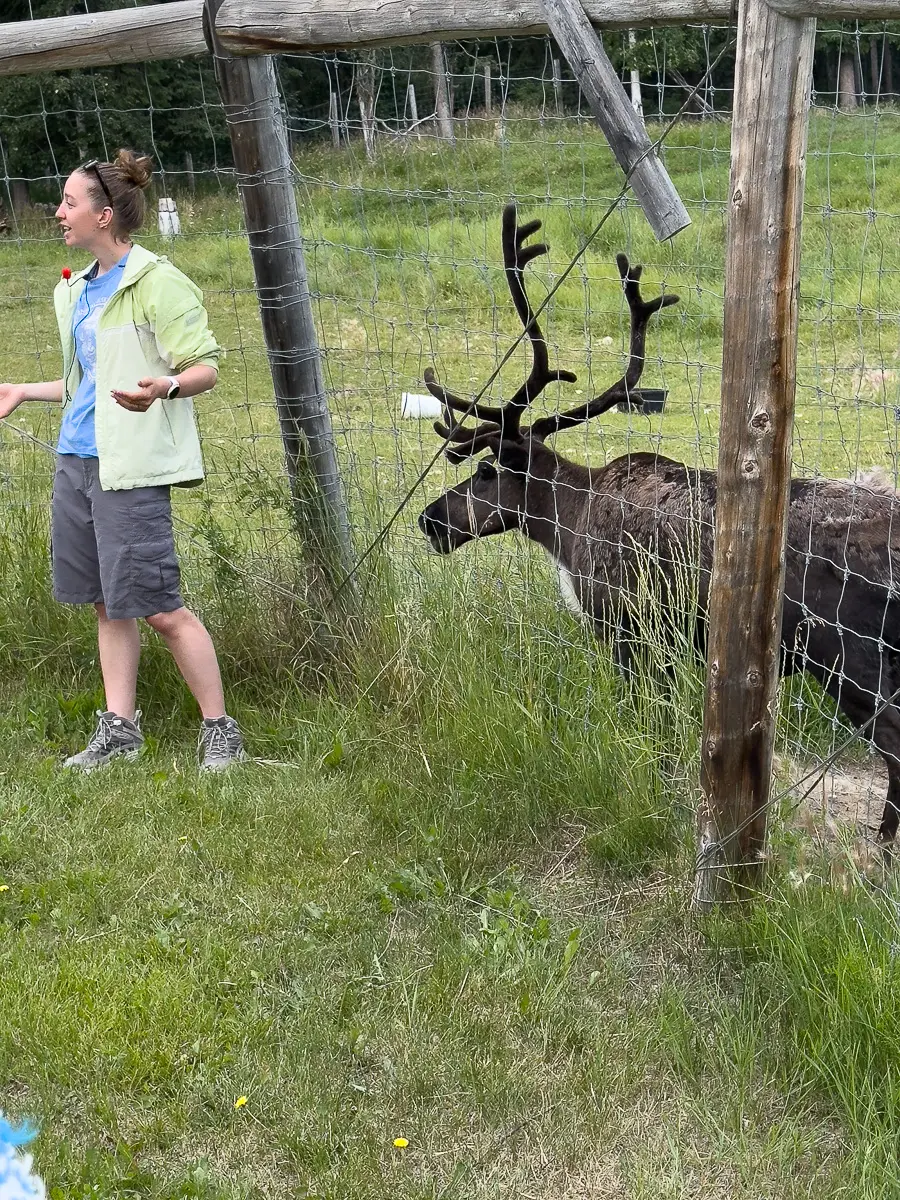
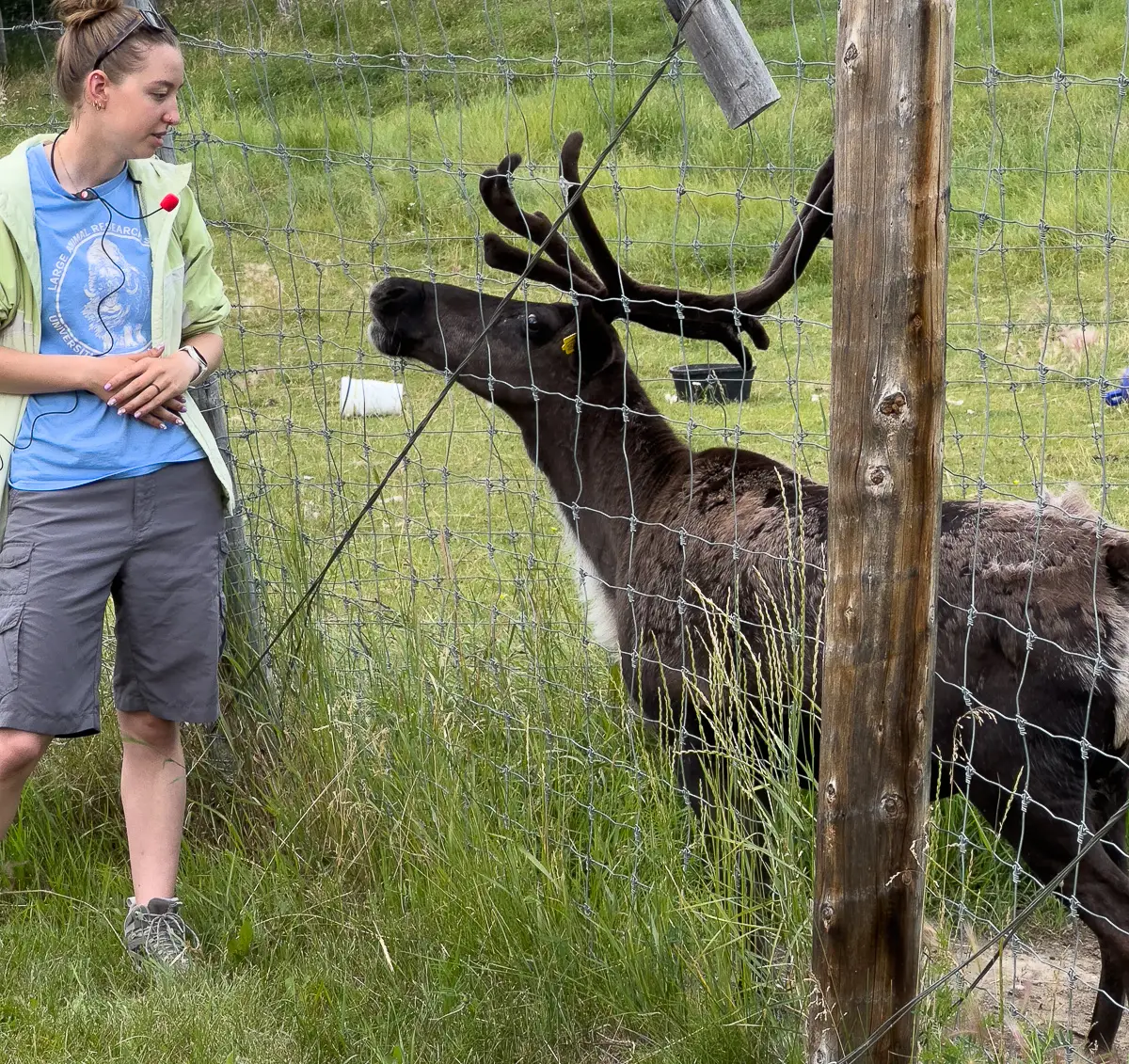
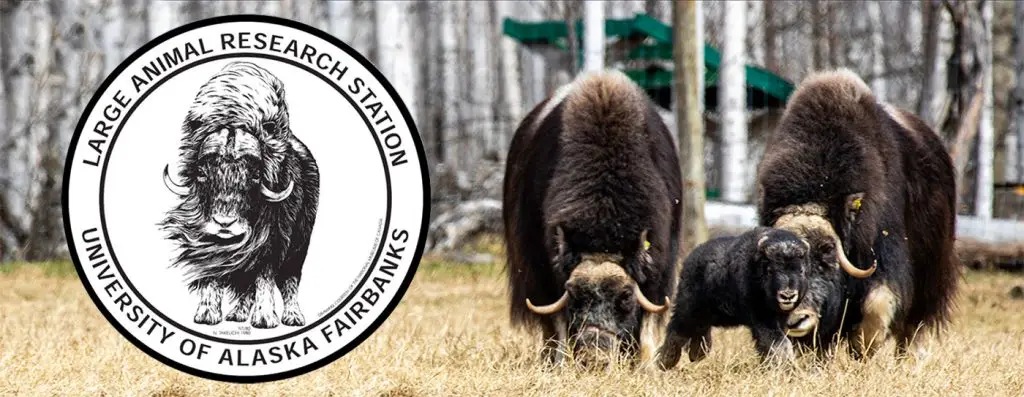
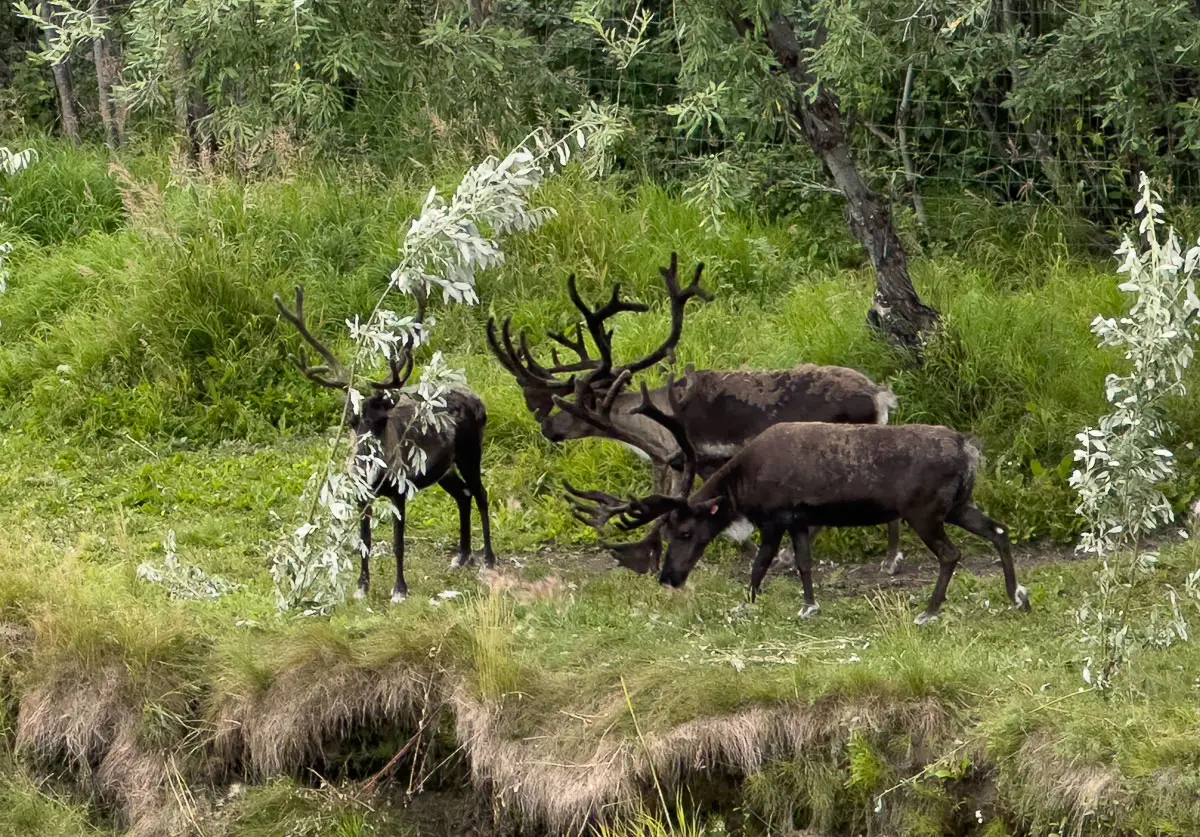
During our visit, the researcher talked about both the muskox and the reindeer currently at LARS. Despite their name, muskox are members of the goat family.
Muskox are an ancient species of arctic mammal with a thick outer coat consisting of long (up to 36 inches) guard hairs that cover a dense underfur known as qiviut. Qiviut is considered to be one of the warmest materials in the world.
Museum of the North
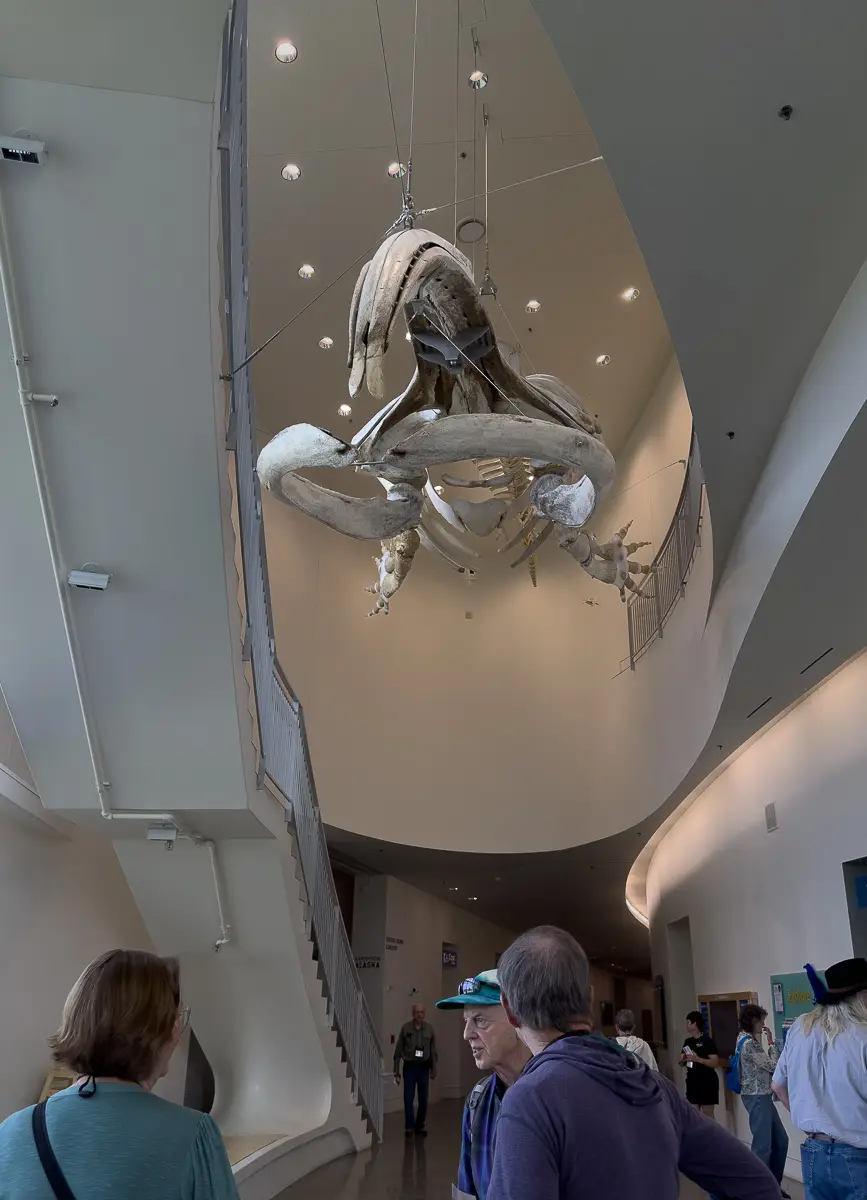
When we entered the museum, we saw a fully articulated bowhead whale skeleton suspended from the museum atrium, the only display of its kind in North America. The skeleton is 42-foot long and weighs close to one ton. The skeleton can be viewed from above, below, and from the right side.
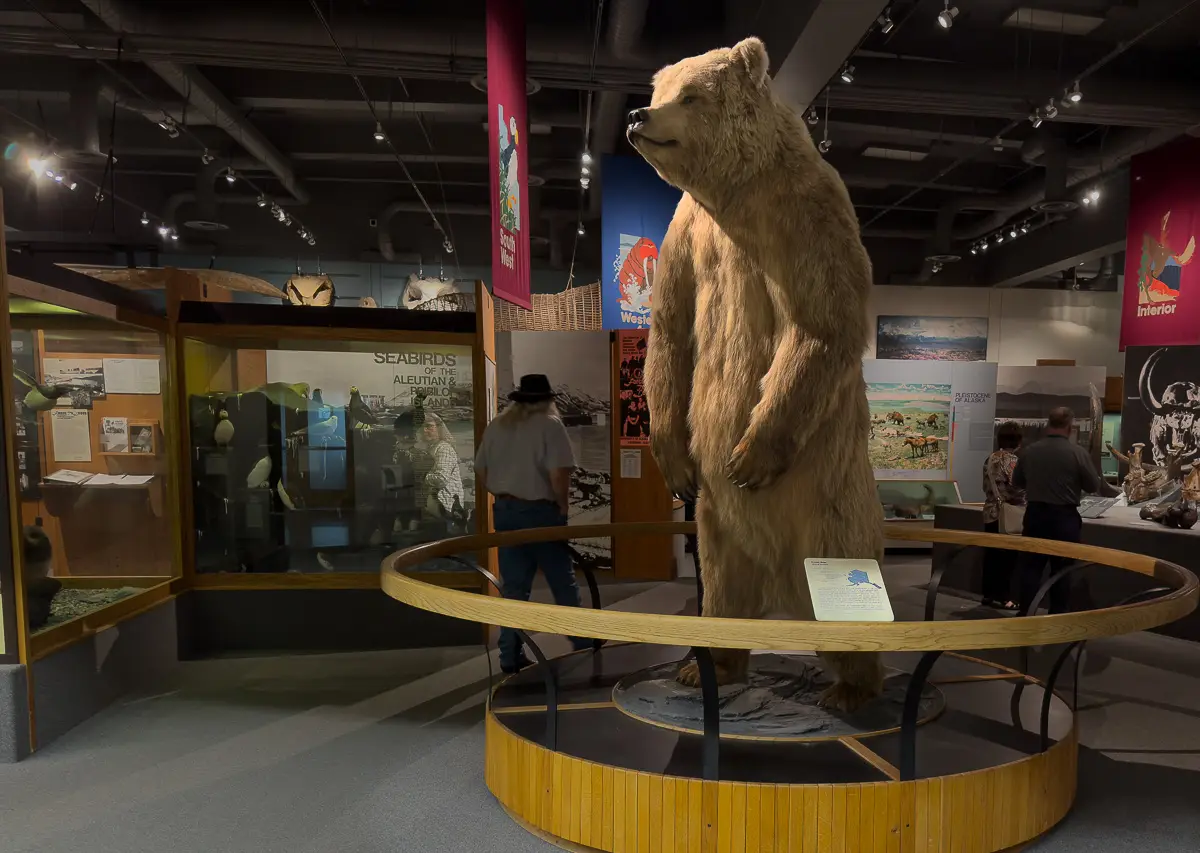
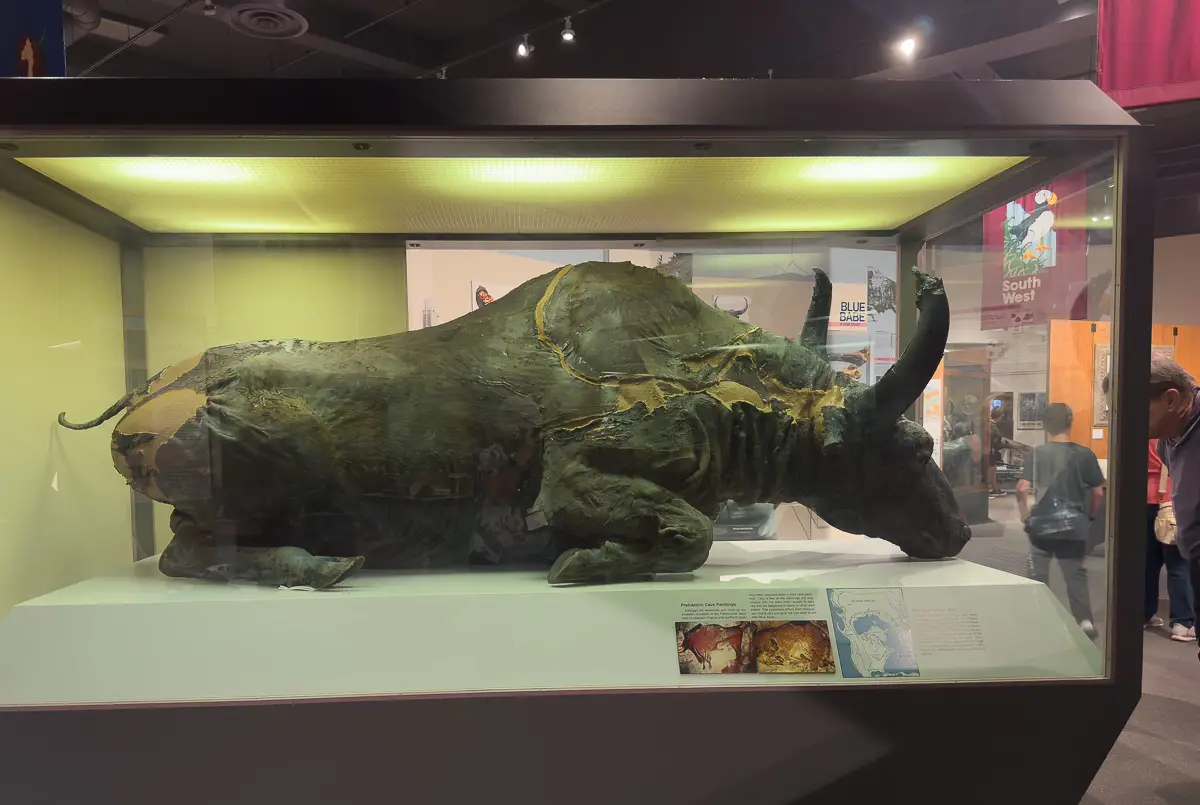
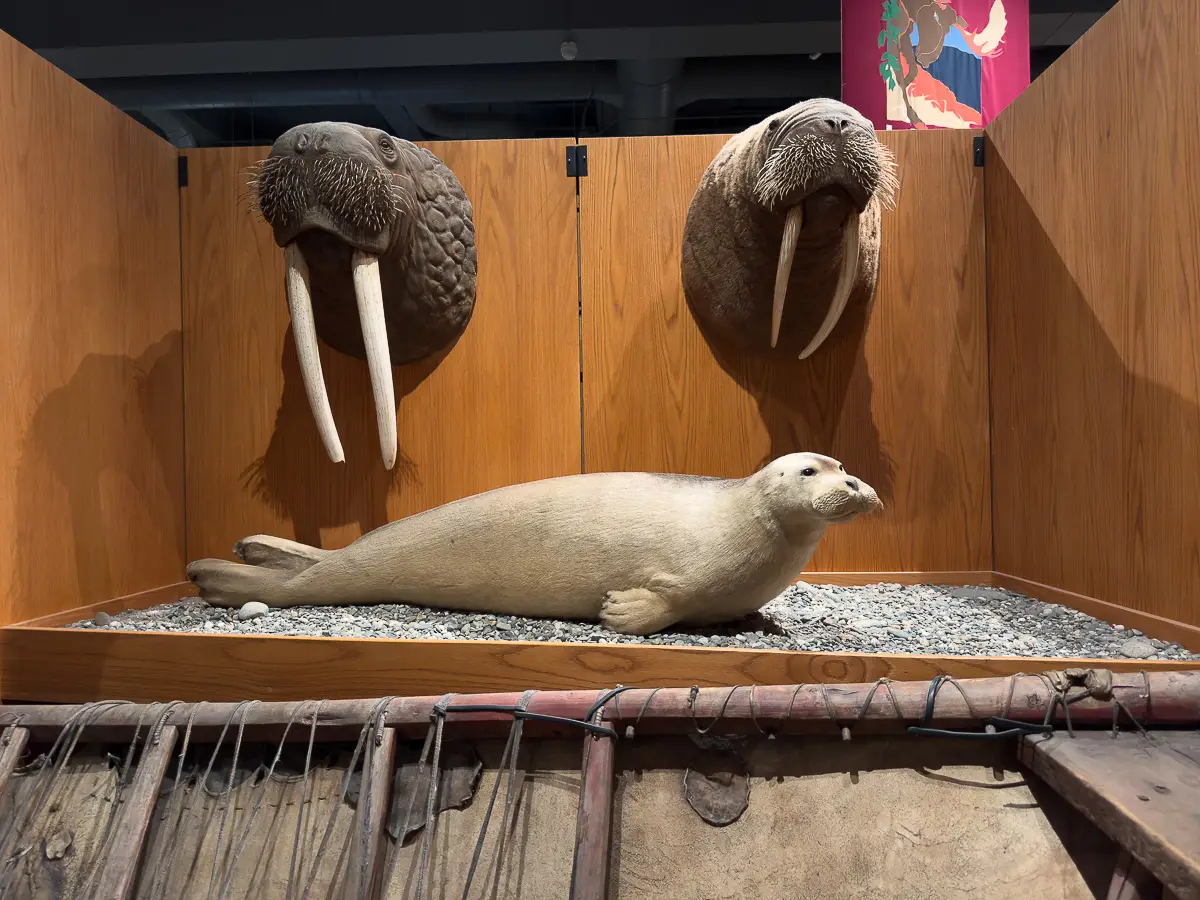
In the Gallery of Alaska two exhibits caught my attention. Upon entering, you are greeted with Otto, a 8 foot 9 inch brown bear and an obvious favorite. Around the corner is Blue Babe, a 36,000 year-old mummified Alaska steppe bison, had been preserved in the Interior permafrost since the Ice Age.
The Discovery Riverboat
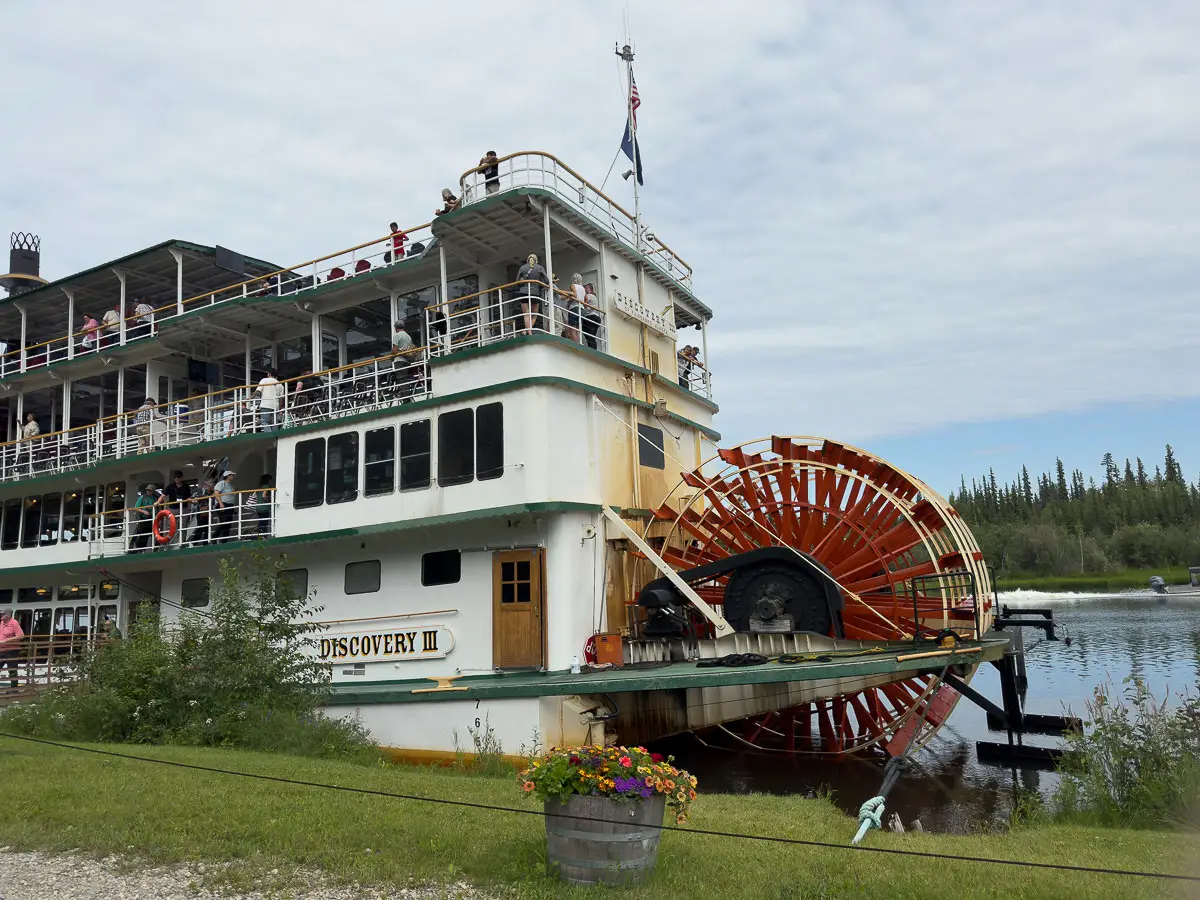
We enjoyed a three-hour Riverboat cruise down the Chena River. The Binkley family’s steam boating tradition goes back 5 generations to the Klondike Gold Rush.
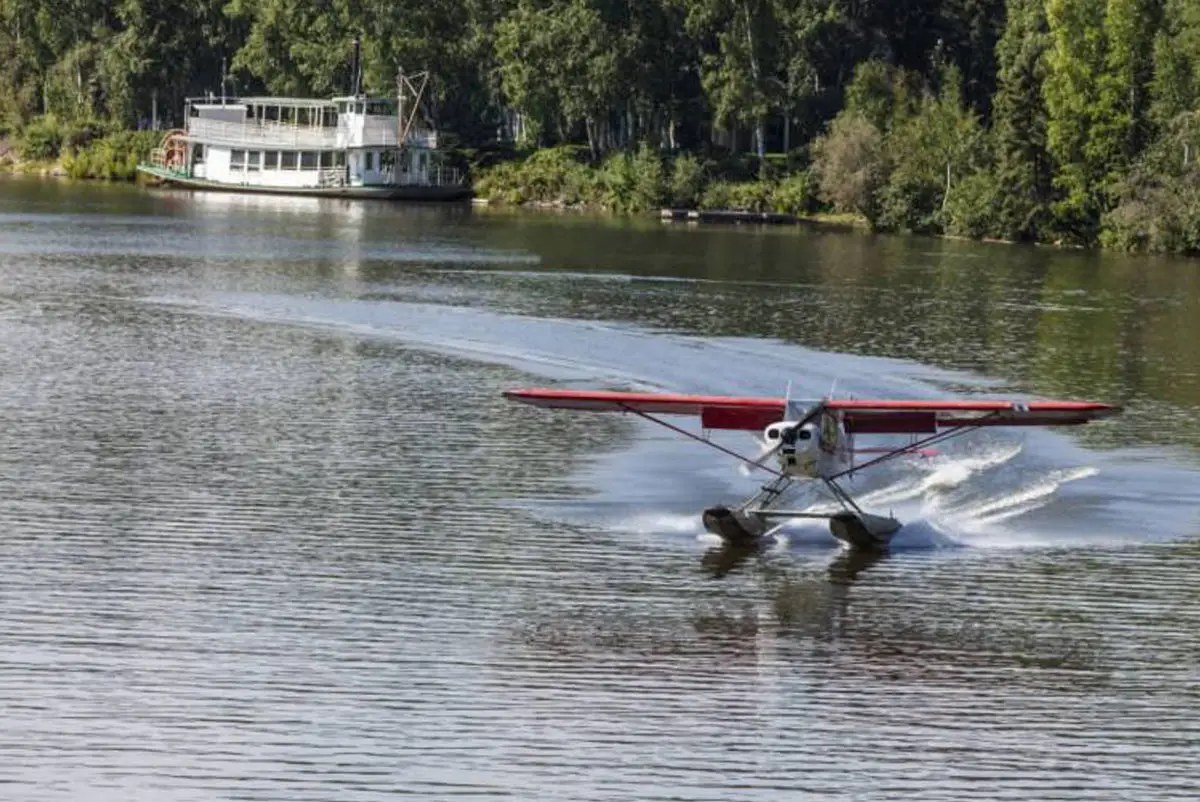
Along the way, we viewed a float-plane take off and land. I found out that a float plane is a standard airplane modified with external pontoons, or instead of wheels.
During a stop at the Chena Indian Village, we had an Alaskan Native Guide give us insight into the Athabaskan culture and challenges.
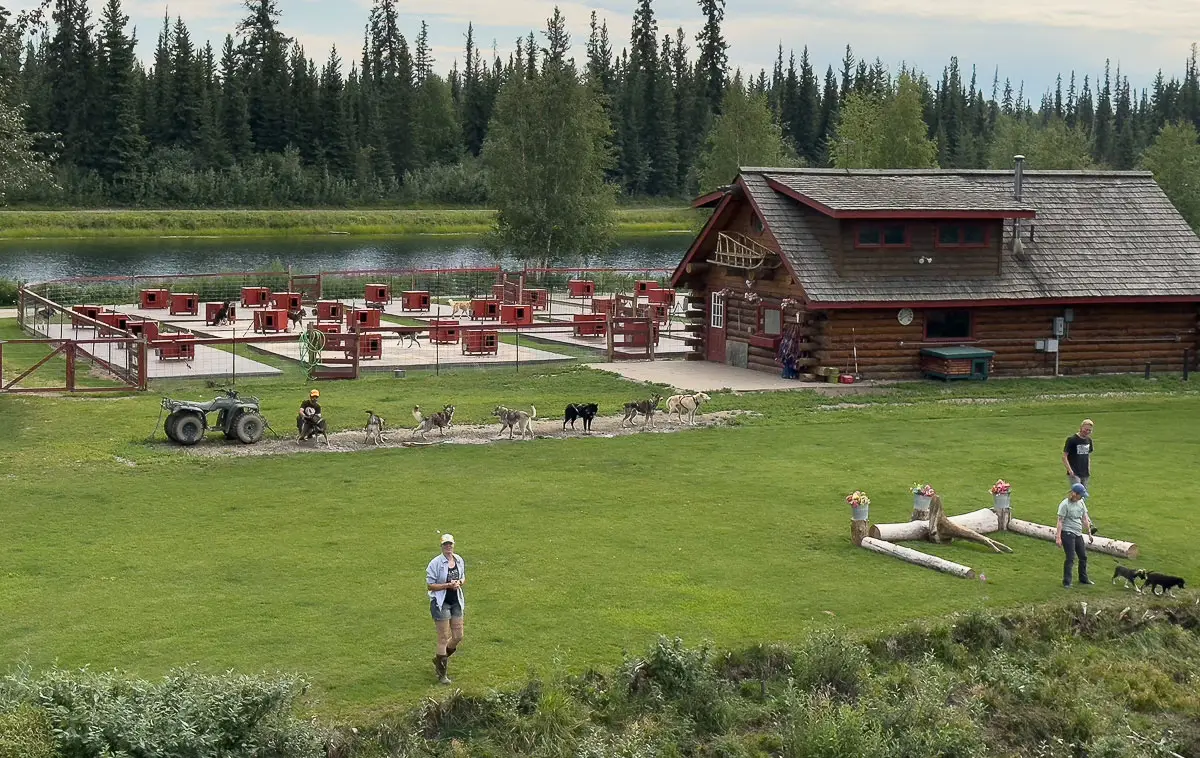
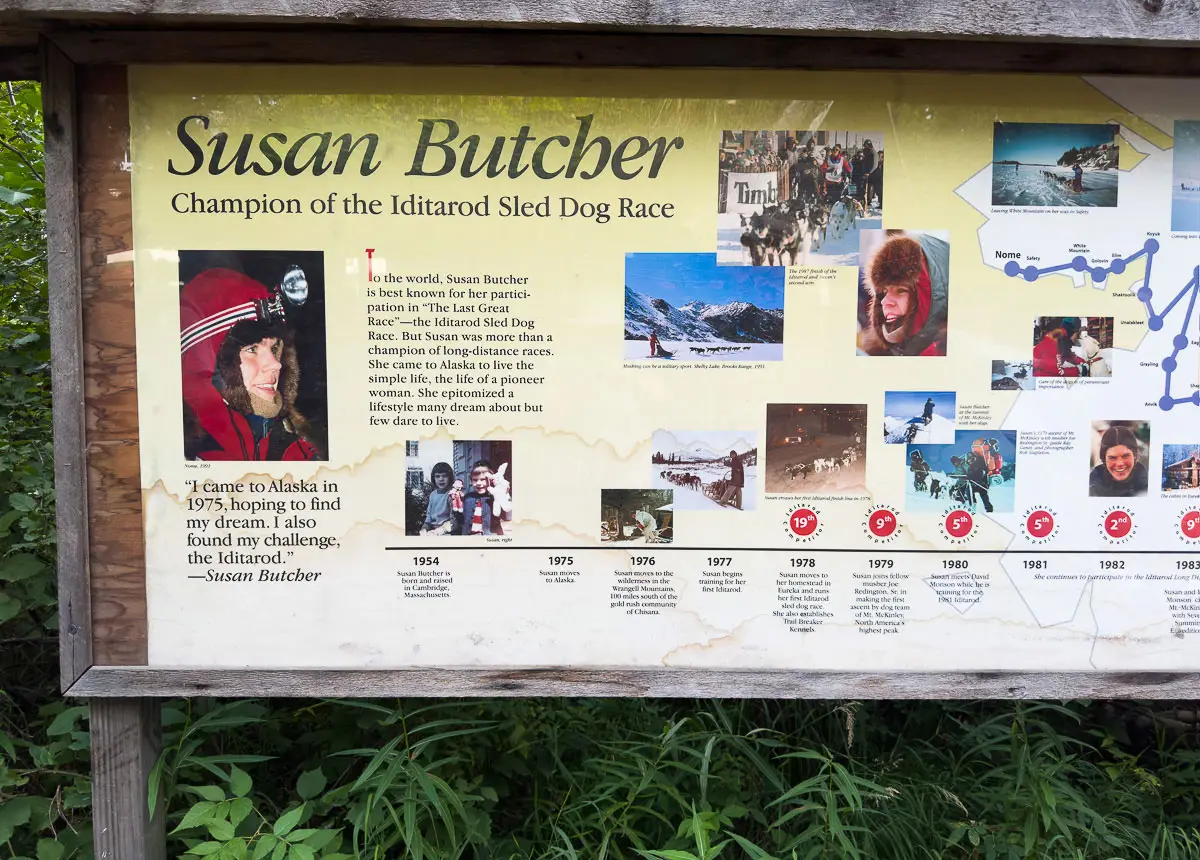
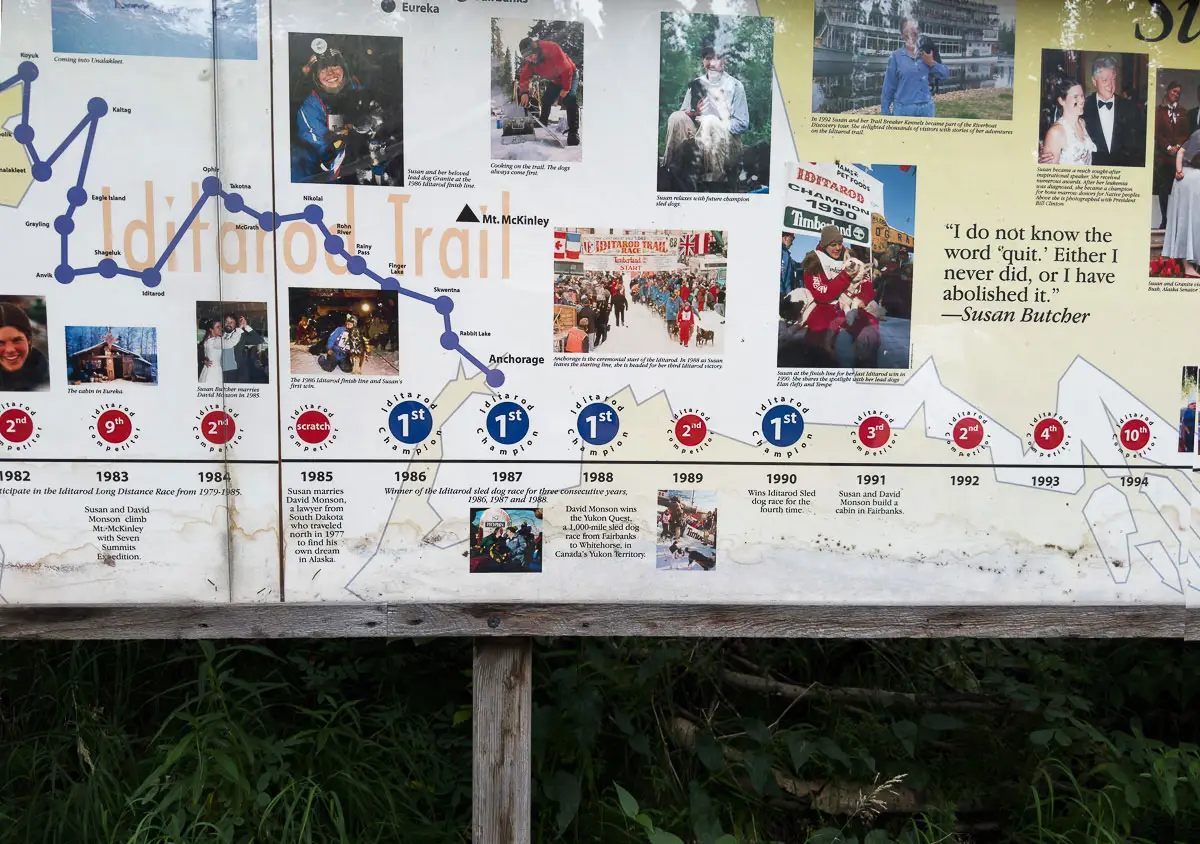
Along the way we stopped at the kennels of four-time Iditarod winner Susan Butcher. There we enjoyed a discussion and demonstration of her champion sled dogs in action.
Morris Thompson Center
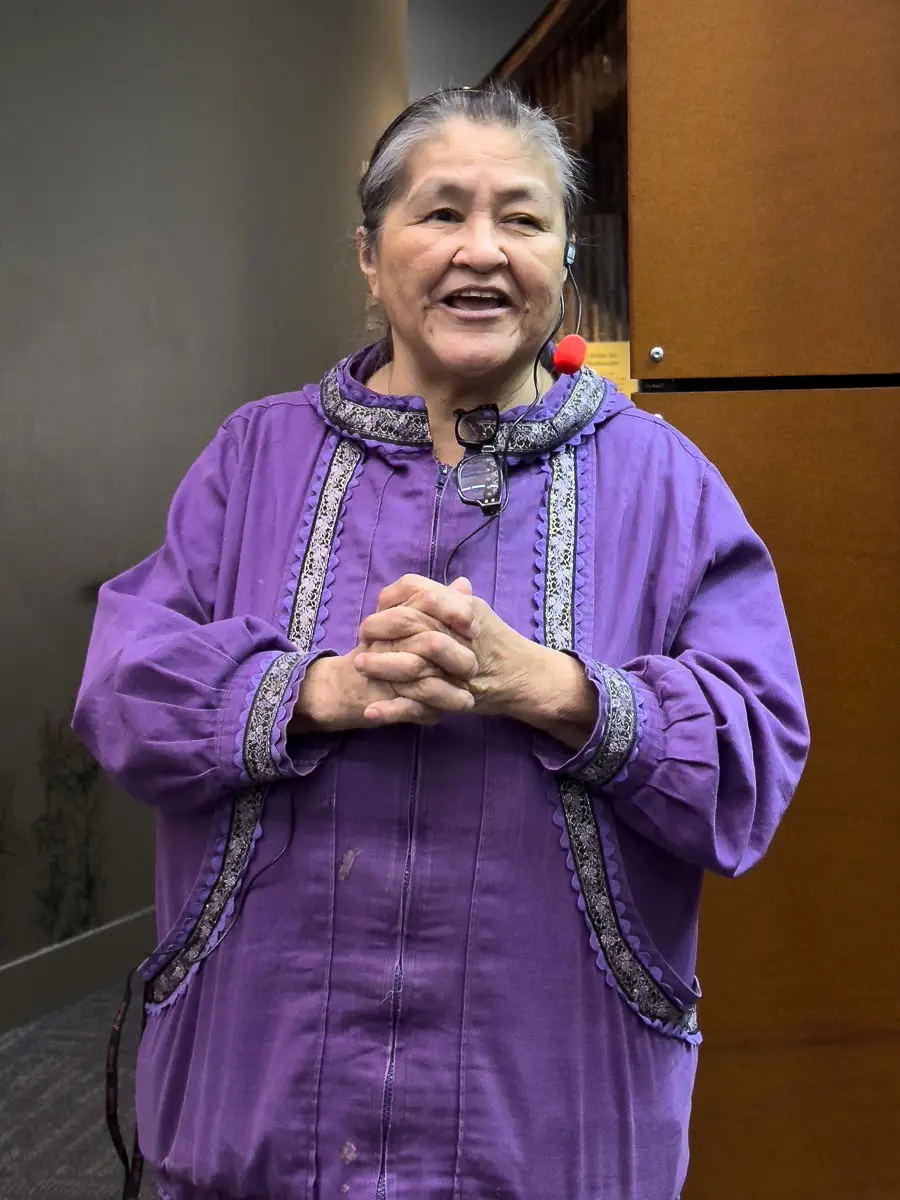
At the Cultural Center we were led by Dixie Alexander, an educator, artist, bead worker and a cultural bearer of her Athabascan traditions. She shared her experiences and helped us learn about the lives of Athabascan people past and present.
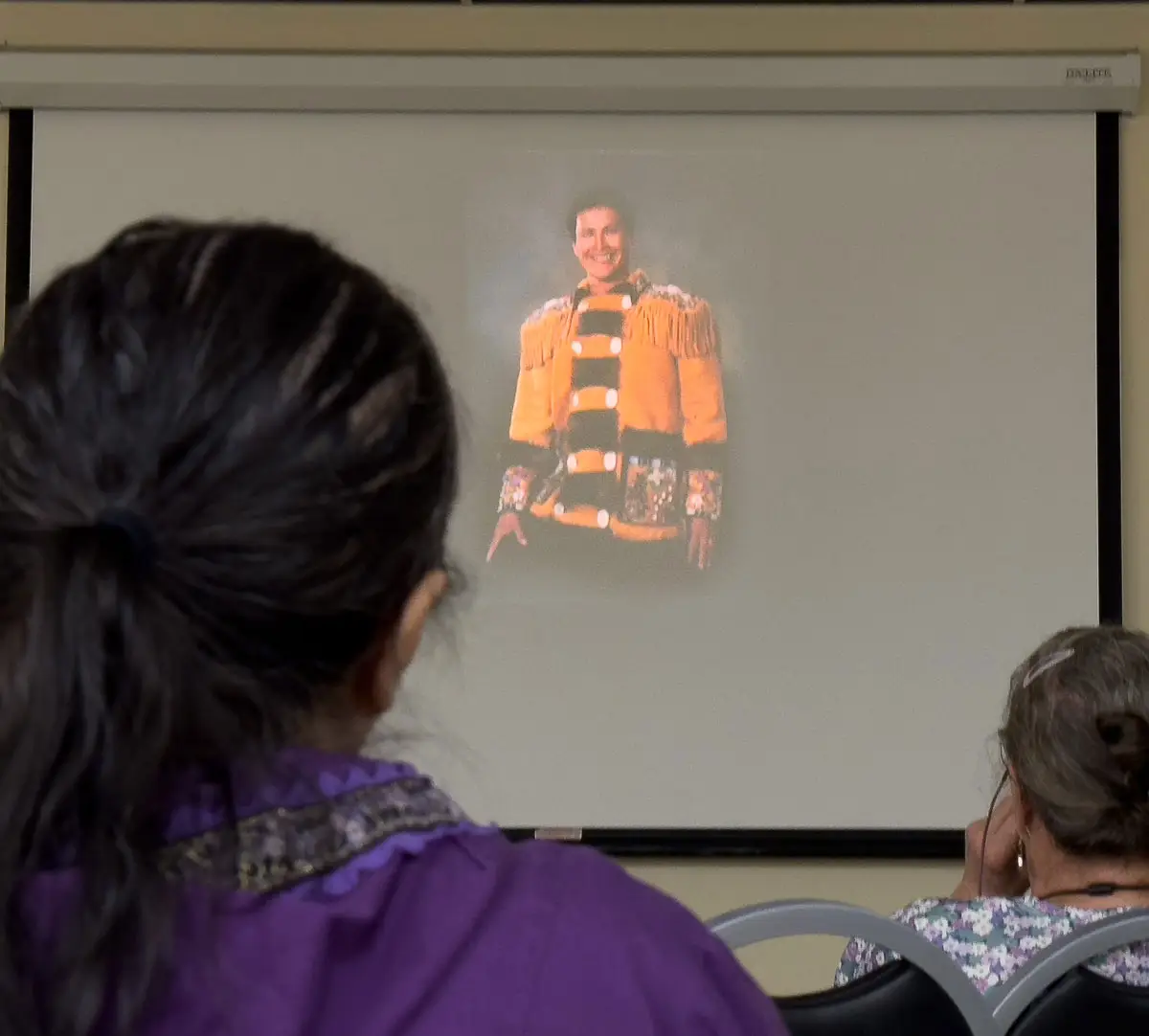
Dixie gave us a presentation about her efforts to highlight Native Art and conduct workshops to teach in the traditional techniques.
We learned that we had just seen some of Dixie’s works of art in the clothing that was demonstrated yesterday at the Chena Indian Village. Dixie’s art can also be seen at the Museum of the North in Fairbanks, Alaska, and in Washington, D.C. at the Smithsonian.
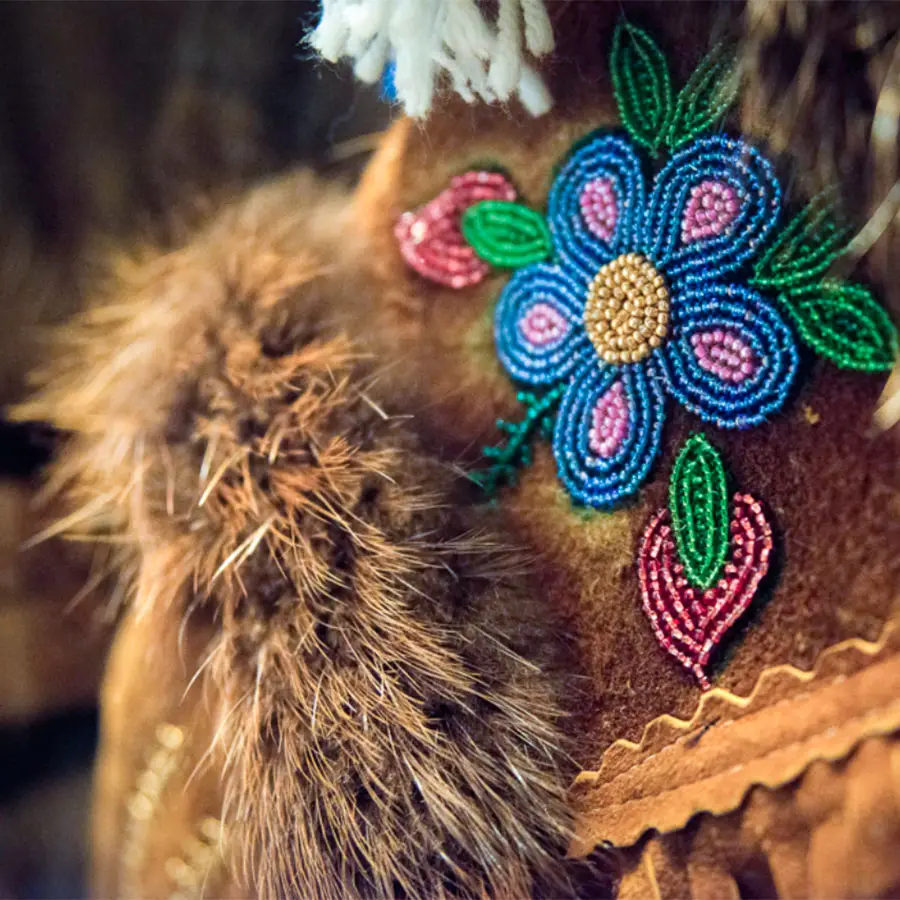
Dixie Alexander's Artwork
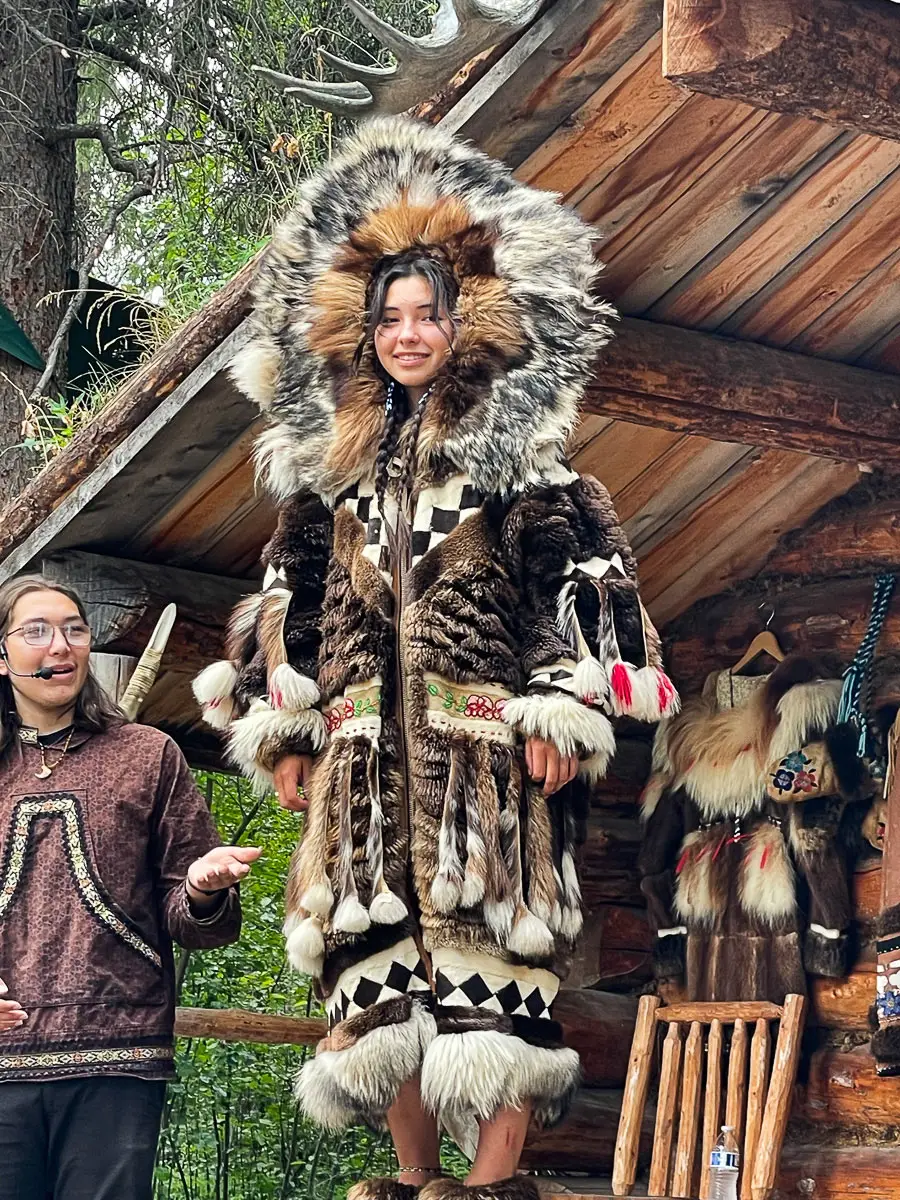
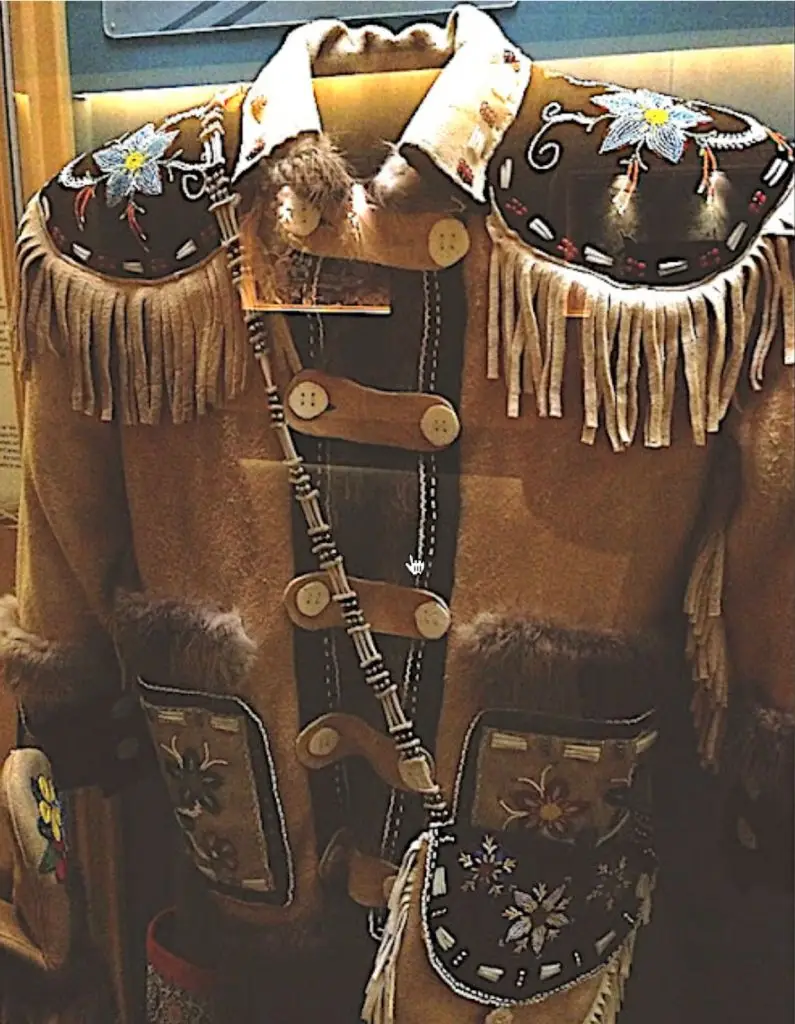
The “Chief’s Coat” is a sign of status (and wisdom) in Athabascan communities. Chiefs are deeply respected in local life. They wear these coats at formal potlatches, funerals, birthdays… and they reflect local women’s skill.
This smoked moosehide garment is ornamented with dentalium, silver beads, glass beads, cotton velvet, beaver trim, felt, nylon and caribou skin. “Dentalium” is a kind of shell, which can be up to 2 inches long, and can be strung together. Dentalium shells are used all over North America by indigenous peoples to decorate clothing.
Dixie Alexander, who crafted this coat, is from Fort Yukon. Her work is shown at the Museum of the North, and the Smithsonian. She was Cultural Program Director at the Morris Thompson Cultural Center in Fairbanks. This coat is in a display case in a corridor at Anchorage International Airport.
Priceless Parka
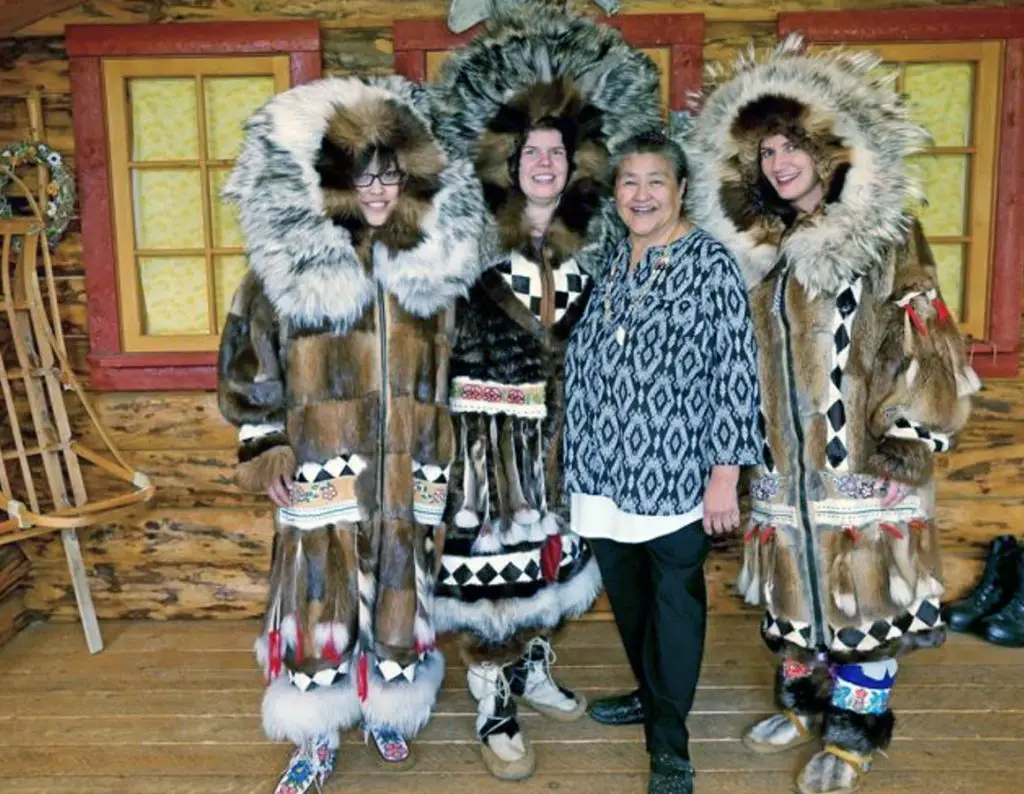
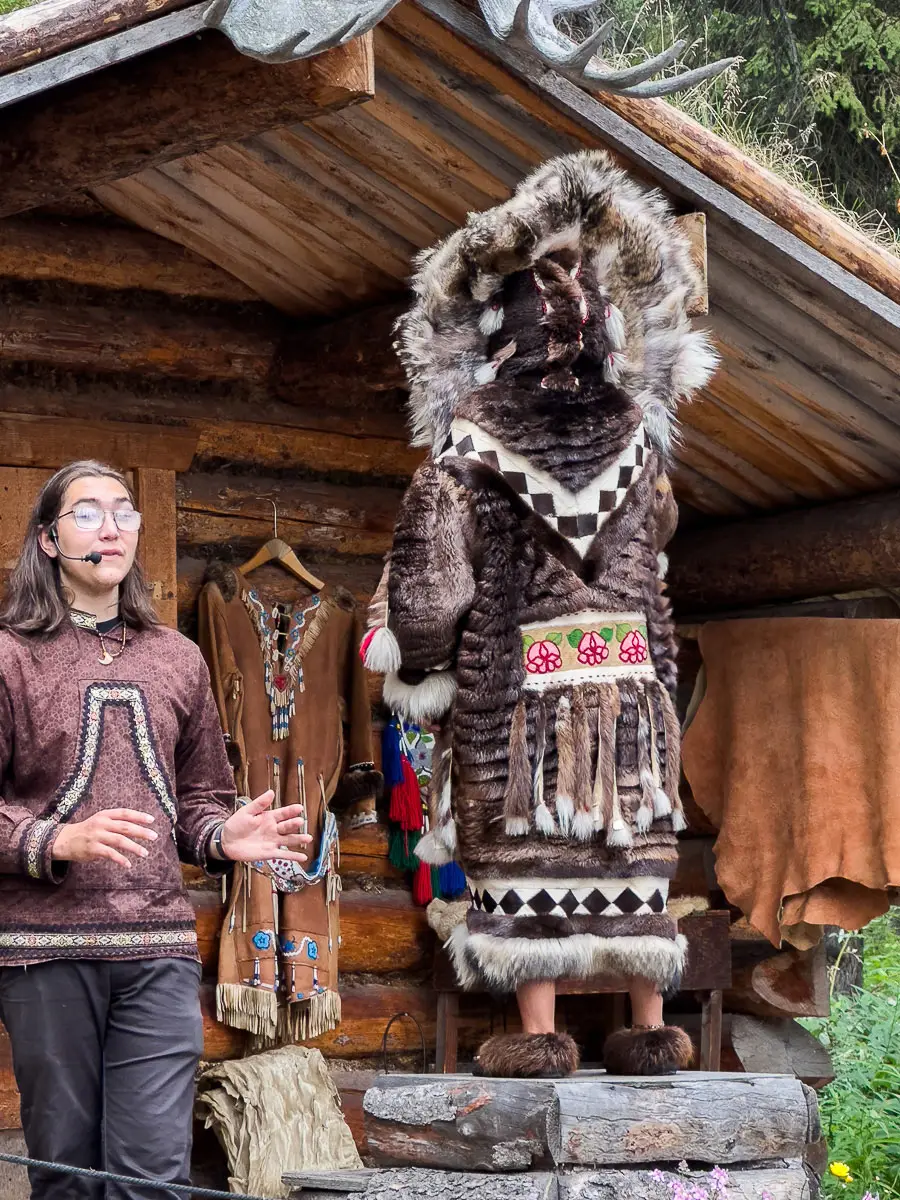
Dixie Alexander’s $25,000 parka a priceless piece of Alaska Native heritage
It took Dixie Alexander seven months and one day to complete a hand-sewn fur parka with intricate beading and fur trim work.
Athabascan Quillwork
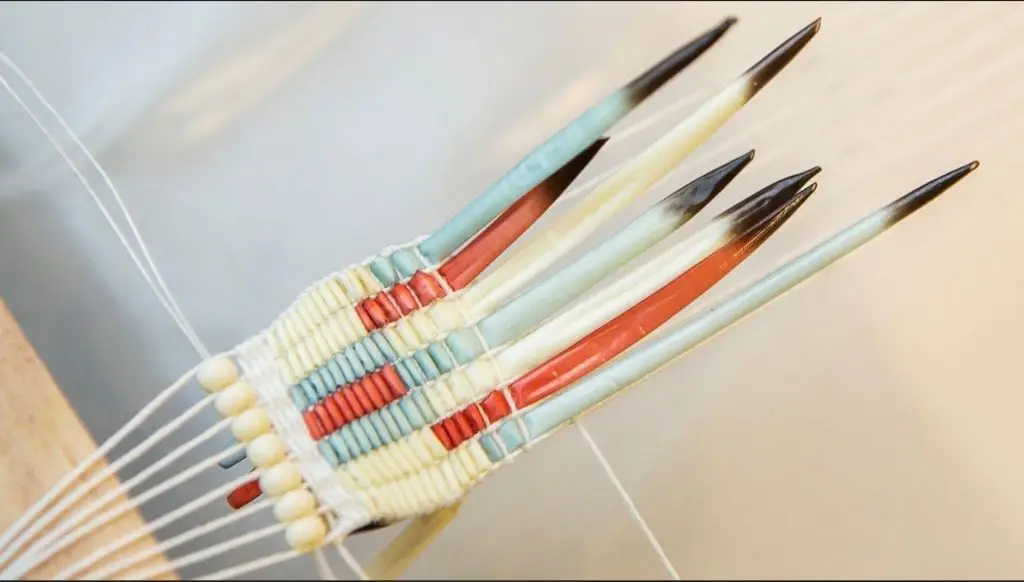
Quillwork — using porcupine quills to decorate textiles — started centuries ago, and is found in all areas of North America where porcupines live, Fonicello said. Hundreds of years before the arrival of glass beads, indigenous artisans, including Athabascans in Alaska, adorned clothing, footwear, knife sheaths and quivers with porcupine quills.
Dixie knows the ancient art of quillwork and teaches others the basic quill appliqué technique. She flattens a porcupine’s quill and bends it over itself to create a solid row.